Categories
Provo City News

How Much Would It Cost To Pump Ocean Water Into The Great Salt Lake?

Advertisements

By Richard Provost

Turns out, pumping just one third of the water we need to save the Great Salt Lake would require 400 megawatts of electricity. For reference, that’s 11% of the energy the state of Utah uses in a single year.

In a new study from the Ira A. Fulton College of Engineering at Brigham Young University, BYU engineers have analyzed how much energy and money would be required to save the Great Salt Lake by transporting water in from the Pacific Ocean through a single large-diameter pipeline.

Advertisements

In addition to using 400 megawatts of electricity, it would also require $300 million dollars a year to operate (on top of the multibillion-dollar cost to build a pipeline) and would emit nearly one million metric tons of carbon dioxide (or 200,000 passenger vehicles) each year. BYU’s Todd Hollingshead reported that these are very conservative estimates. The pipeline would have to pump water 600 miles inland while gaining 4,200 feet of elevation.

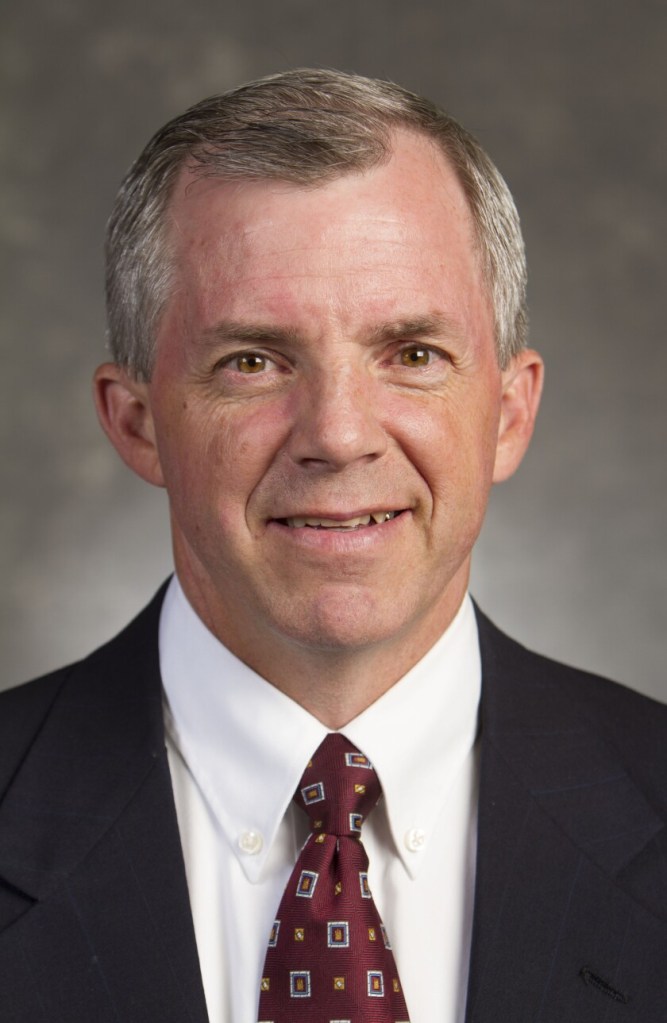
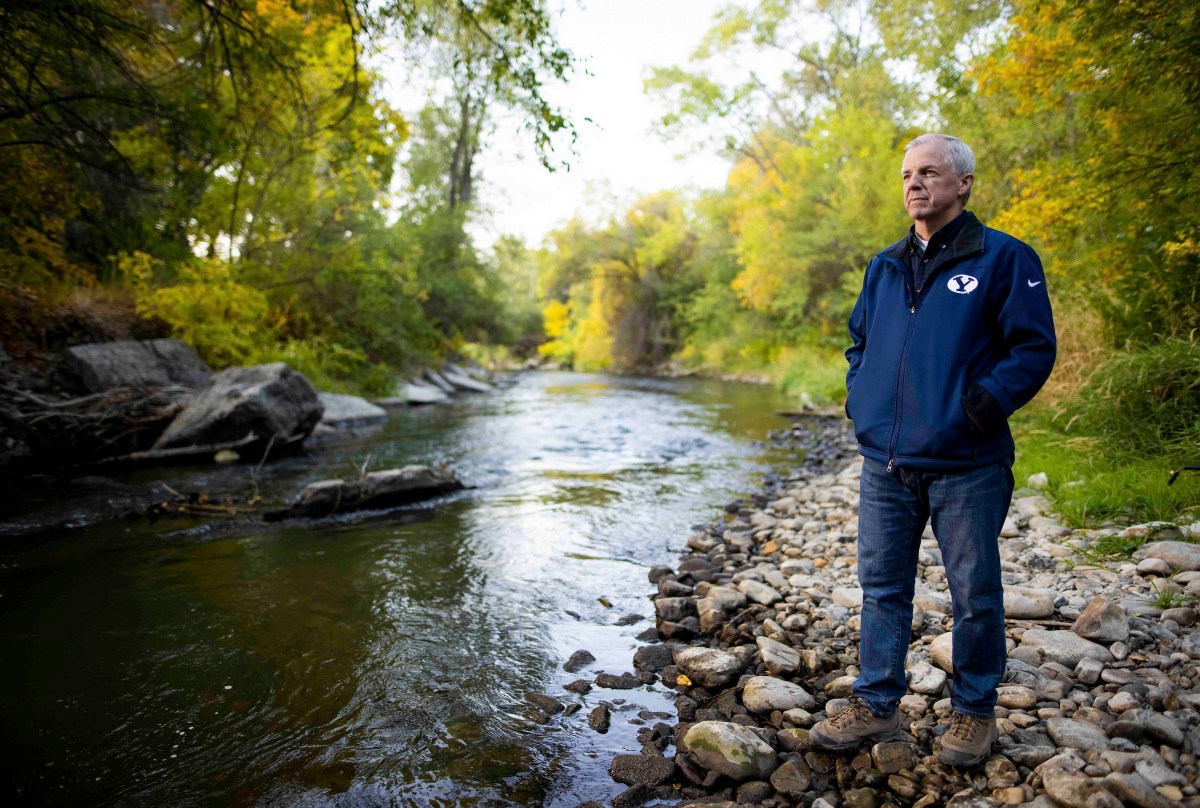
BYU’s Rob Sowby. Photo courtesy of BYU Photo.

“The figures could easily triple with a longer pipeline route, mountainous terrain, higher flows, multiple pipelines or less efficient pumps,” said Rob Sowby, BYU professor of civil engineering and lead author on the analysis. “To put it mildly, there are serious challenges to this approach.”

Advertisements

TLDR: we’d save the Great Salt Lake but would worsen our inversion problem and incur serious financial costs.

Sowby worked on this analysis with BYU professors Gus Williams and Andrew South. “While the idea sounds extreme, so are the circumstances, some argue, and all options should be kept open,” Williams said. “That said, we’re not providing an opinion on the necessity or feasibility of such a project; our analysis is to inform Great Salt Lake stakeholders, decision makers and the public on what the costs could be.”

“After years of neglect, the Great Salt Lake is starving not just for water but for attention,” Sowby said. “Facing an environmental crisis, we are compelled to rethink our relationship with the Great Salt Lake, to treat it like the precious asset it is rather than as a casual afterthought.”

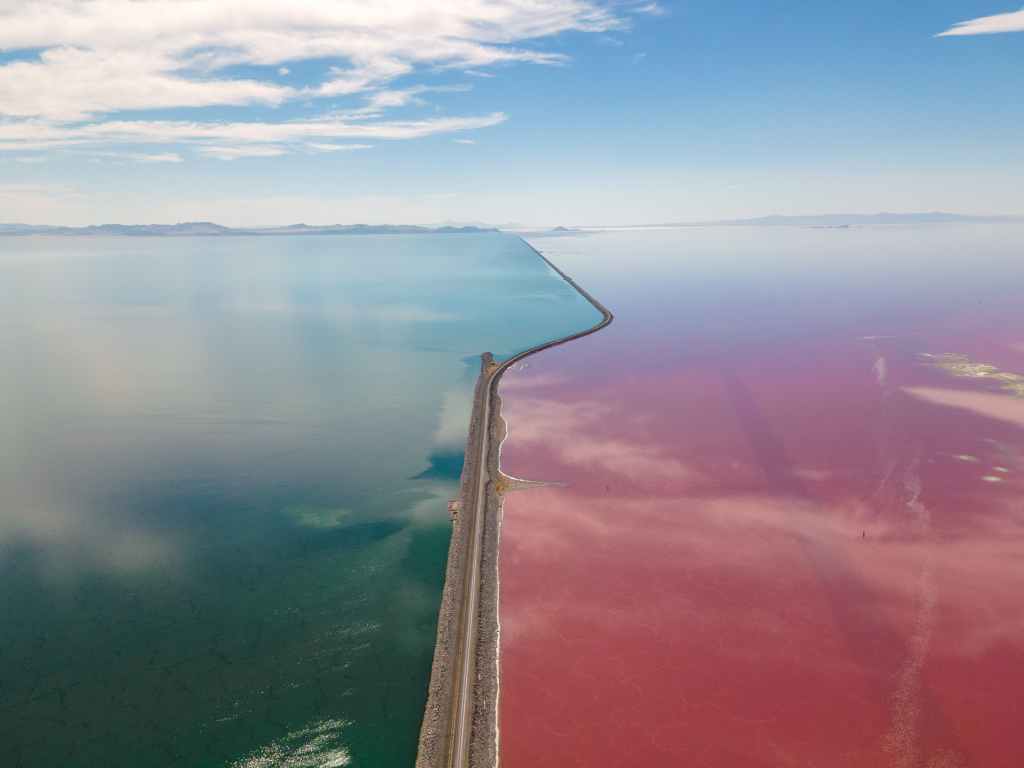
The road leading across the Great Salt Lake from Promontory Point. Photo by Urvish Oza.
Advertisements
Categories
University News

BYU Secures Top Spot for Best Library in the US

Advertisement.

By Charlie G. Patreus

The latest edition of The Princeton Review’s renowned “Best Colleges” rankings for 2024 has been unveiled, and Brigham Young University (BYU) has made the list. The annual rankings, now in their 32nd year, are produced by The Princeton Review, a prominent education services company. Unlike traditional rankings that rely solely on academic data and input from college administrators, The Princeton Review’s rankings are exclusively based on surveys completed by college students, providing an authentic reflection of their experiences.

Advertisements

Presented in 50 distinct categories since 1992, the “Best Colleges” lists spotlight 25 outstanding institutions in each category. These lists are accessible on PrincetonReview.com, and they are also published in the latest edition of The Princeton Review’s college guide, titled The Best 389 Colleges, published by Penguin Random House.

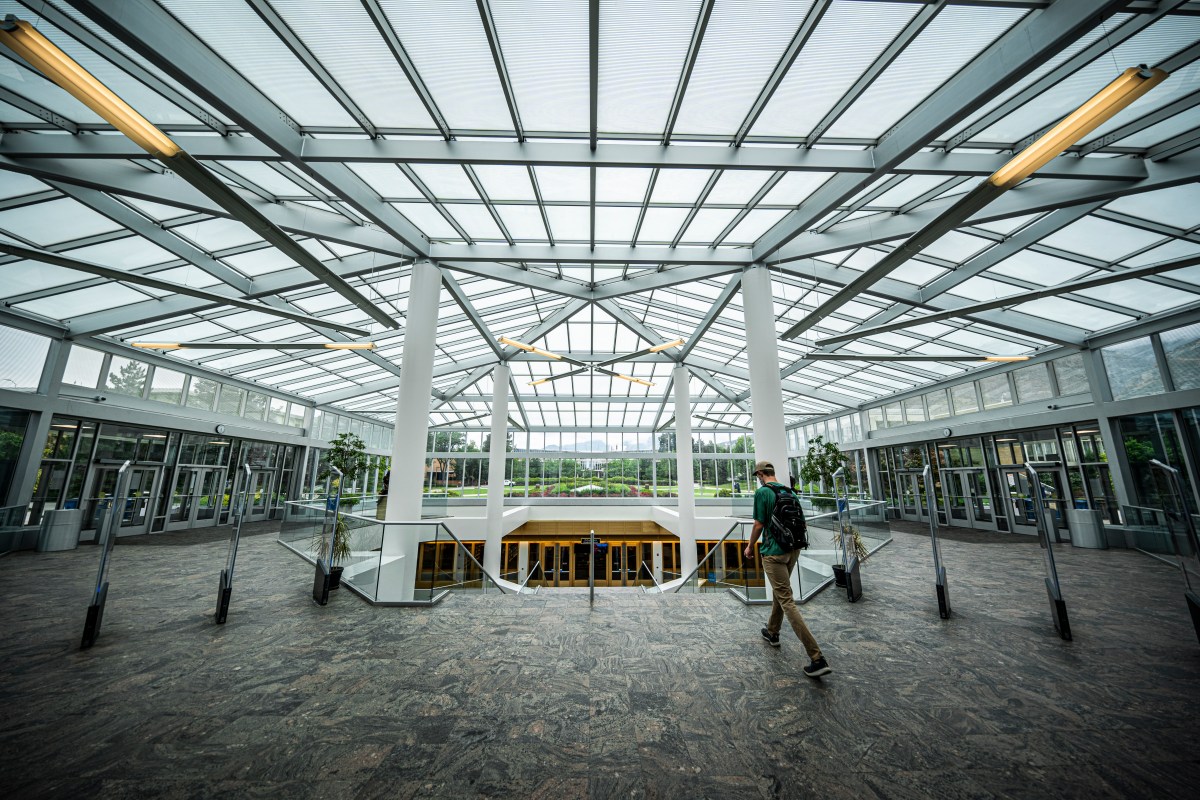
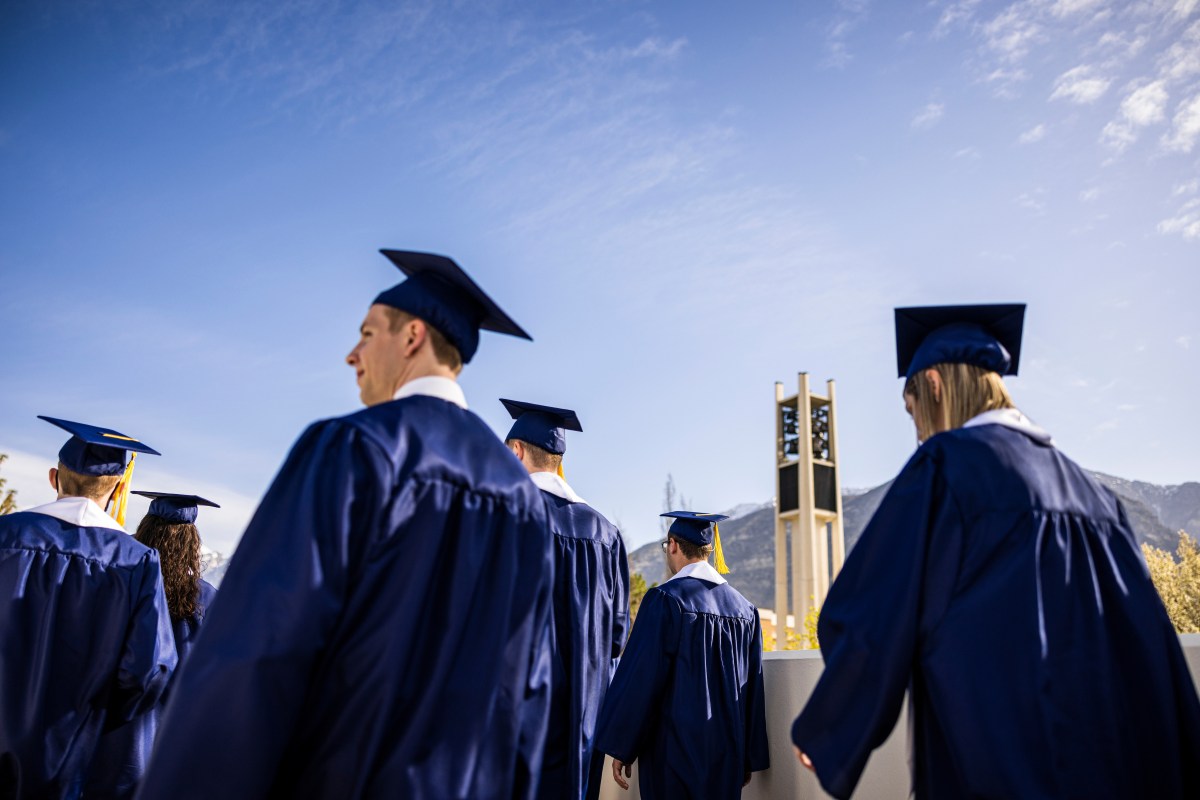
Photography by Nate Edwards/BYU © BYU PHOTO 2023

The data operations team at The Princeton Review processed a substantial 165,000 student surveys from The Best 389 Colleges. On average, this translates to approximately 424 surveys per school. The surveys were administered over the academic years 2022-23 and the two preceding years, with students offering insights into their professors, campus amenities, administrative support, financial aid, and various other aspects of their college lives. Detailed information about the survey methodology and ranking criteria is available on PrincetonReview.com.

This year, Brigham Young University was awarded the top spot in the Best Library category, solidifying its reputation as the premier destination for library resources in the nation. BYU also ranked #1 in another (less surprising) category: Most Religious Students.


Advertisement.
Categories
University News

BYU’s Annual China Conference Strengthens Cultural and Diplomatic Ties

Advertisements

By Charlie G. Patreus

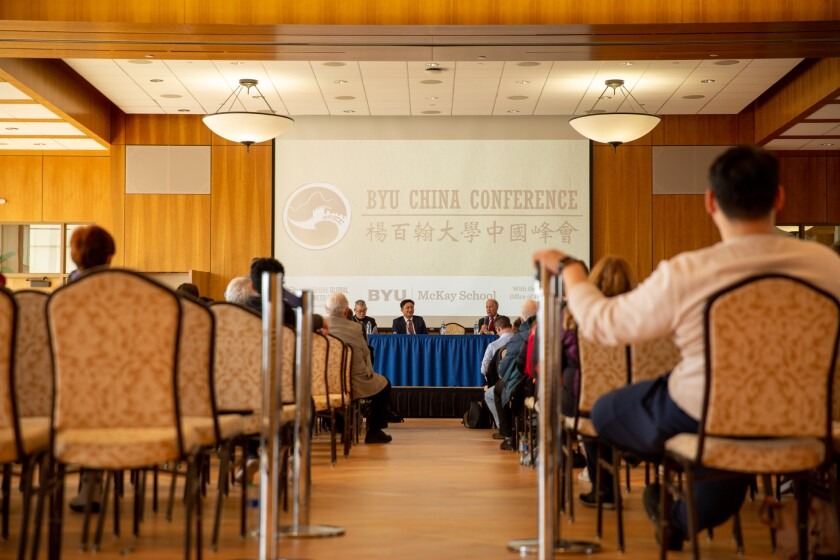
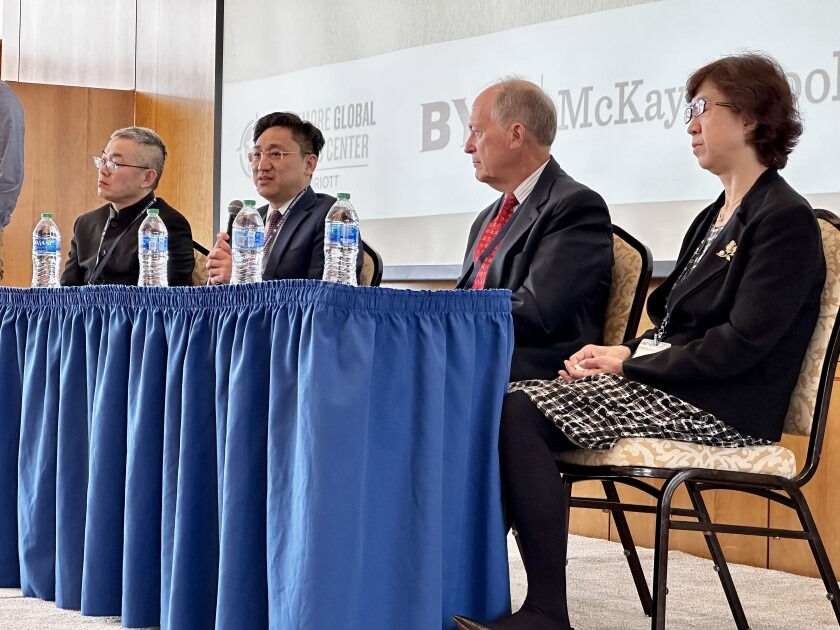
On March 11, 2023, BYU students, faculty, and members of the Chinese community united for the highly anticipated BYU China Conference. This annual event featured academic and diplomatic speakers, including Xiaofeng Wang, counselor of the Embassy of the People’s Republic of China in the United States of America. Attendees were treated to insightful presentations, a networking luncheon, and an engaging question-and-answer panel session.

Advertisements

Since its establishment in 2015, the conference has been dedicated to promoting the core values of BYU: faith, lifelong learning, and service – all while fostering an inclusive community. Its primary goal is to provide educational, professional, and cultural opportunities that strengthen the bonds between the United States and China. The conference is organized and hosted by a student committee. It is overseen by an advisory board consisting of faculty and staff from various departments, including the College of Humanities Chinese Flagship Center and the Center for Language Studies.

Photo by Kurk Fullmer, BYU
Advertisements

Adjunct Associate Professor Peter Chan, Chair of the advisory board, commended the exceptional work of the student committee, emphasizing their professionalism, dedication, and collaborative spirit.

Each year, the conference invites speakers from both the BYU community and esteemed Chinese associates. These experts cover a wide range of topics, like demographics, business and finance, politics, history, and current events. Notable speakers in 2023 included Counselor Wang, Changyun Kang (Associate Dean at Beijing Normal University), and Zhihong Yi (Professor of Finance and former Vice President of Renmin University of China).

Additionally, three speakers from BYU also presented: Robert Griffiths (political science adjunct faculty in the College of Family, Home, and Social Sciences and former consul general at the US Consulate General in Shanghai), Renata Forste (International Vice President of BYU), and Kirk Larsen (Associate Professor of History in the College of Family, Home, and Social Sciences).

The overarching theme of the 2023 conference centered on fostering friendly international relations between China and the United States, exploring the past, present, and future while highlighting the importance of a liberal approach to education in China.

Advertisements

Attending as a member of the Chinese Flagship Program, BYU student Alex Keogh expressed his appreciation for the conference’s diplomatic focus, emphasizing the significance of cross-cultural understanding. Keogh recognized the positive atmosphere that emphasized collaboration, effective communication, and mutual understanding.

The BYU China Conference serves as a platform for fostering understanding and forging connections, with attendees often referred to as “young ambassadors” by the speakers. This inclusive event takes place every winter semester, and individuals from all backgrounds are welcome to participate, regardless of their language experience.

Advertisements
Categories
University News

BYU Graduate Programs Garner Top Rankings in 2023-2024 U.S. News & World Report

Advertisements

By Mike Romero

BYU graduate programs continue to impress as the latest edition of the U.S. News & World Report graduate school rankings are unveiled. The J. Reuben Clark Law School at BYU achieved its highest ranking to date, solidifying its place among the top law schools in the nation.

Advertisements

In the 2023-2024 rankings, BYU Law soared to No. 22 among all law schools, surpassing its previous best performance. Additionally, the Marriott School of Business demonstrated remarkable progress, climbing to No. 35 among MBA programs.

While BYU Law and BYU’s MBA program take the spotlight, seven total BYU graduate programs secured positions in the Top 100 across their respective fields. It’s important to note that the U.S. News & World Report primarily focuses on graduate programs, excluding undergraduate rankings from this list. Here are the notable rankings for BYU’s graduate programs:

  • No. 22: Law
  • No. 35: MBA
  • No. 57: MPA
  • No. 63: Speech-Language Pathology
  • No. 86: Mathematics
  • No. 89: Nursing
  • No. 97: Computer Science
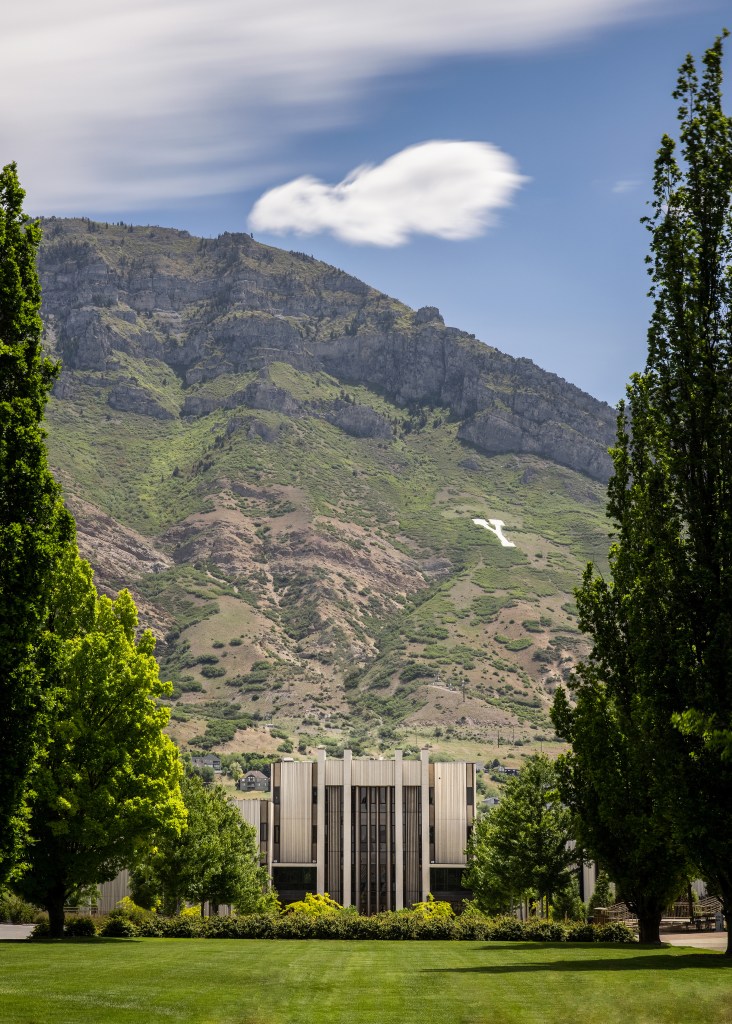
J. Reuben Clark Building on BYU Campus. Photography by Carter Bennett/BYU © BYU PHOTO 2020
Advertisements

BYU Marriott’s expertise also received recognition in specialty graduate program rankings. Notably, it claimed No. 4 in Accounting, No. 19 in Leadership, and No. 23 in both Entrepreneurship and Non-Profit Management. Similarly, the Law School earned impressive rankings in various specialties:

  • No. 17: Business/Corporate Law
  • No. 31: Tax Law
  • No. 38: Contracts/Commercial Law
  • No. 48: Constitutional Law

Furthermore, several engineering programs at BYU earned positions in the Top 100 within their respective categories:

  • No. 77: Civil Engineering
  • No. 79: Computer Engineering
  • No. 80: Mechanical Engineering
  • No. 90: Chemical Engineering
  • No. 100: Electrical Engineering

The U.S. News & World Report has been publishing annual college and university rankings since 1983. The organization meticulously evaluated over 10,000 graduate programs and specialties during the ranking process. These rankings consider expert opinions on program excellence, alongside statistical indicators that gauge the quality of a school’s faculty, research, and students.

Advertisements
Categories
University News

BYU Students Engineer The Most Fuel-Efficient Vehicle in North America

Advertisements

By Mike Romero

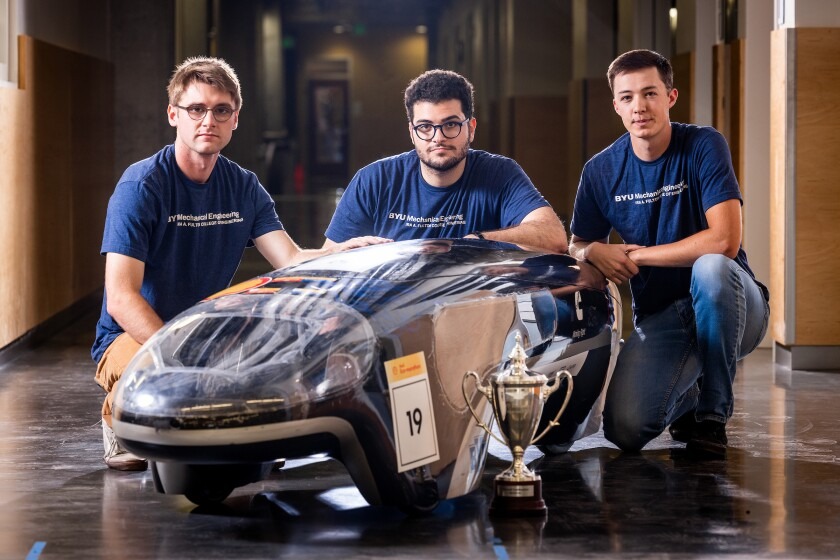
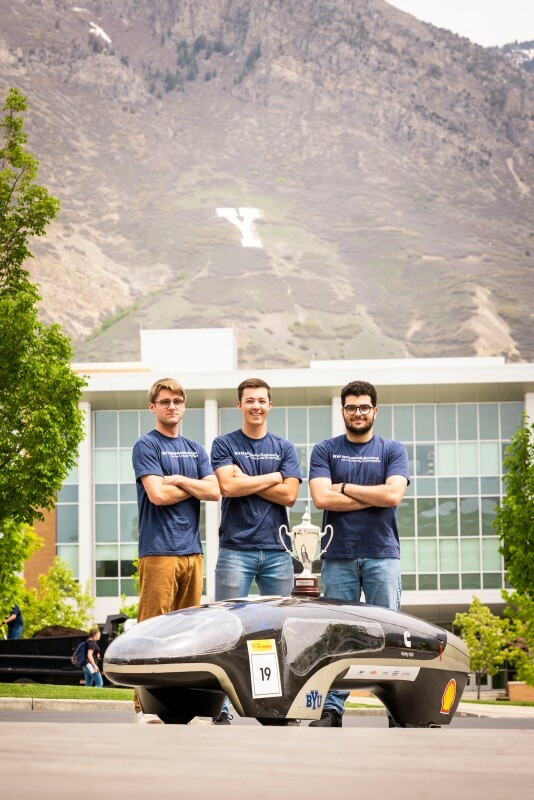
Engineering students at Brigham Young University (BYU) have achieved a remarkable feat by constructing the most fuel-efficient vehicle not only in the United States but also across the Americas. Their creation, known as a Supermileage vehicle, can travel an astounding distance of 1,915.83 miles per gallon. This remarkable achievement earned them the first-place title at the prestigious Shell Eco-marathon, an international competition that brings together teams from North and South America to develop the most fuel-efficient vehicles on the planet.

Advertisements

The Shell Eco-marathon took place at the Indianapolis Motor Speedway, a distance of 1,531 miles from Provo, where BYU is located. BYU’s car could have easily coasted to Indianapolis on less than a gallon of gas. Despite its remarkable fuel efficiency, the vehicle can only reach a maximum speed of 25 miles per hour. However, for the BYU Supermileage Team, speed is not the focus; their goal is to excel in long-distance efficiency.

Photo by Brooklynn Jarvis/BYU Photo
Advertisements

Throughout the competition, BYU’s car consistently outperformed other vehicles, surpassing the second-place car by over 100 miles per gallon. BYU had previously participated in the Eco-marathon but had not competed for four years due to the pandemic. Given their absence, the team’s expectations were modest. However, they devoted themselves wholeheartedly to the competition, demonstrating unwavering focus and determination.

Overall, the BYU Supermileage Team’s triumph at the Shell Eco-marathon showcased their remarkable engineering skills, teamwork, and problem-solving abilities. Their accomplishment not only earned them recognition as the best in the country but also solidified their position as the leading fuel-efficient vehicle builders on this side of the globe.