
By Mike Romero
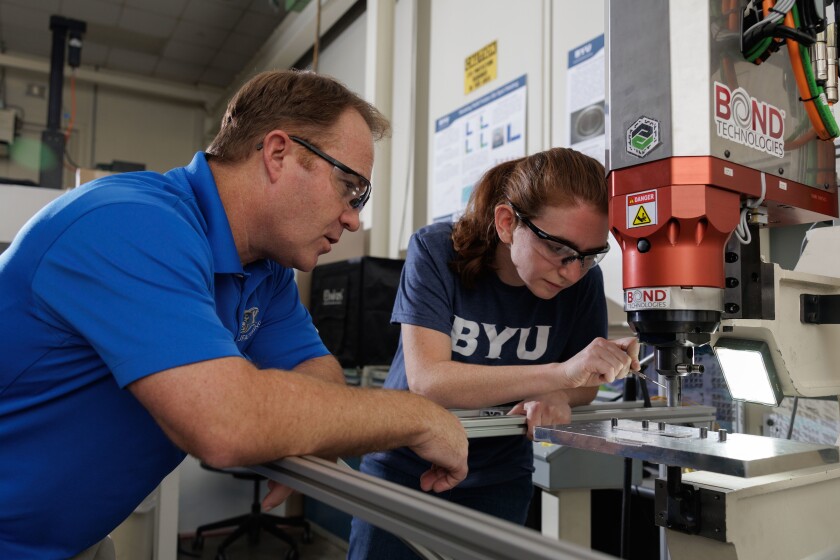
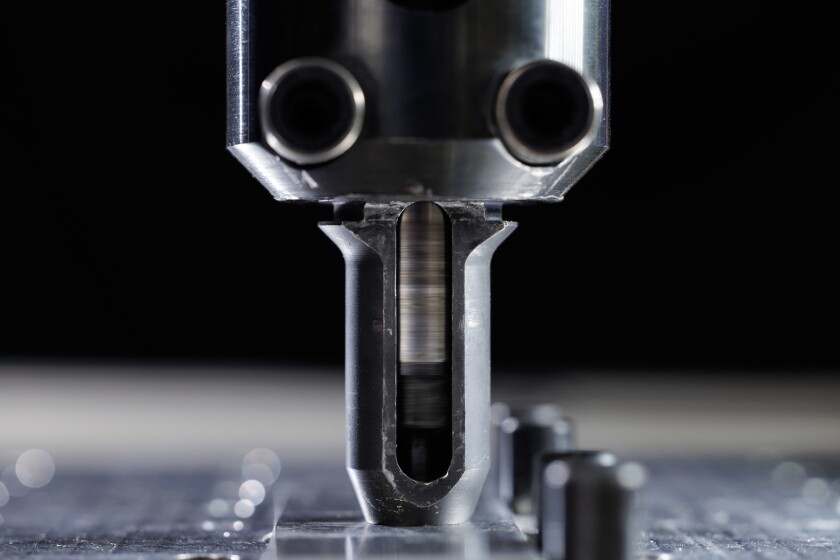
Brigham Young University engineers have partnered with Toyota to develop a new welding method aimed at improving automotive manufacturing. The technique, called refill friction stir spot welding, uses 40 times less energy, reduces emissions, and creates welds 10 times stronger than traditional methods.
Designed for aluminum body panels, the process helps address challenges in joining lightweight materials like those used in Toyota’s popular Sienna minivan. Unlike conventional welding, which melts metal, the new method joins aluminum without melting, resulting in stronger, more efficient bonds. The innovation also reduces the need for filler material, making the process more sustainable.
“Ultimately, we’re focused on doing things more efficiently, greener, and cleaner,” said BYU professor Yuri Hovanski, who led the project.
The collaboration began after Toyota saw a demonstration of the technology at a conference. BYU researchers and Toyota engineers tested the new process at Toyota’s Indiana plant, finding that the method could enhance the production of aluminum sliding doors, used in the Sienna and other vehicles.
BYU graduate student Damon Gale, who contributed to the research, said the method could become the new standard for joining aluminum body panels in the automotive industry.
The project aligns with Toyota’s commitment to clean technologies, Hovanski said, adding that the partnership reflects BYU’s mission to foster environmentally conscious engineering.
Learn more at engineering.byu.edu.




 Provo Tribune: Local News for the Provo/Orem Area