
By Mike Romero
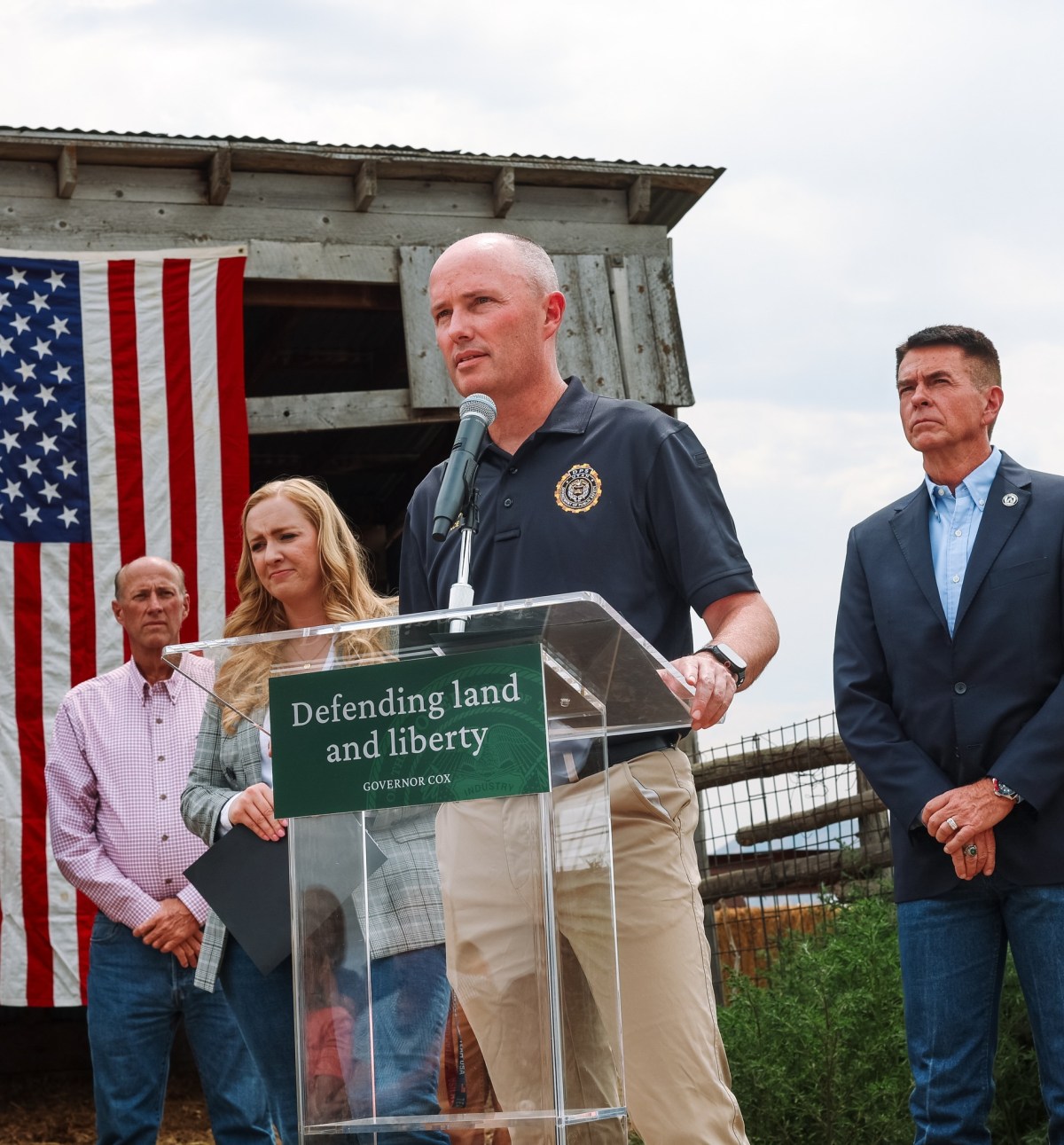
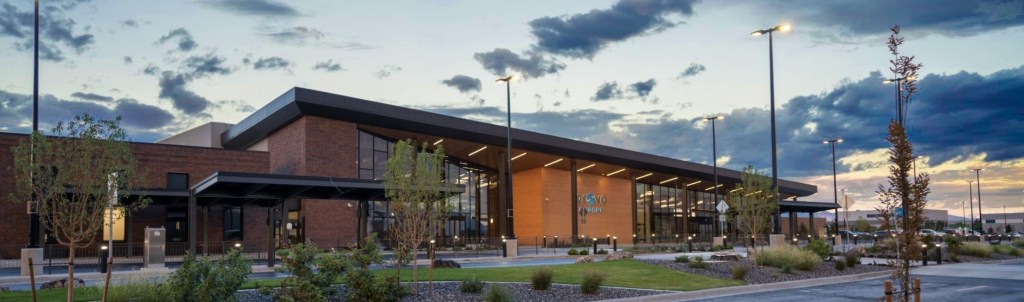
Utah Governor Spencer Cox announced this week that state officials blocked a Chinese state-owned company from purchasing land near the Provo Airport.
According to Cox, the company involved was Cirrus Aircraft, which is majority-owned by the Aviation Industry Corporation of China (AVIC). AVIC is a restricted foreign entity under Utah law due to its connections to China’s military and its presence on multiple U.S. federal watch lists.
Cirrus Aircraft, originally an American company, manufactures small private aircraft. It was acquired by AVIC’s subsidiary in 2011. While Cirrus is not a military contractor, some analysts have raised concerns that its technology could benefit China’s military.
State officials did not disclose how much land was involved or its exact location. The Department of Public Safety said it was notified of the proposed purchase in early 2025. The sale was stopped under Utah’s HB516 law, which restricts land ownership by entities tied to China, Russia, Iran, and North Korea.
County recorders are required to report suspicious transactions. Officials said the local recorder flagged this attempt, which led to the intervention.
Governor Cox emphasized that Utah’s laws are designed to prevent foreign adversaries from acquiring strategic land. He said the blocked sale demonstrates the effectiveness of recent legislation aimed at national security concerns.
Cox also addressed claims about the extent of Chinese land ownership in Utah. He said about 33,000 to 37,000 acres were previously owned by Chinese companies but that most of this land has been divested, leaving only a small amount under Chinese ownership.
Utah has also closed Confucius Institutes at state universities due to similar concerns about foreign influence. Lawmakers say they plan additional legislation related to critical resources like water and minerals.
Cox linked the issue to broader concerns about religious freedom, citing China’s recent closures of congregations of The Church of Jesus Christ of Latter-day Saints in Beijing. He said Utah will continue to oppose foreign efforts to limit religious freedom or gain leverage through economic deals.
Utah officials said their approach has drawn interest from other states and has been recognized by national defense organizations as a model for monitoring foreign land ownership.
Cox concluded that Utah will keep enforcing its restrictions to prevent foreign entities with ties to adversarial governments from acquiring land that could affect state security, infrastructure, or economic independence.
 Provo Tribune: Local News for the Provo/Orem Area