

By McKinsleigh Smith
Photos by Ellie Alder, BYU Photo
Students from across campus at Brigham Young University participated throughout the semester in the 2026 Student Innovator of the Year (SIOY) competition, an annual program highlighting student-led solutions to practical problems.
The competition included multiple events, from mentoring sessions to a public showcase and a final round held February 26, 2026. Attendance remained high throughout the semester, with students filling venues to watch presentations and demonstrations. The final event also featured remarks from James Perry, a BYU Engineering alumnus and former cast member of BYUtv’s Studio C.
Participants in the competition shared a common focus: developing innovations designed to address specific needs or challenges in the real world.
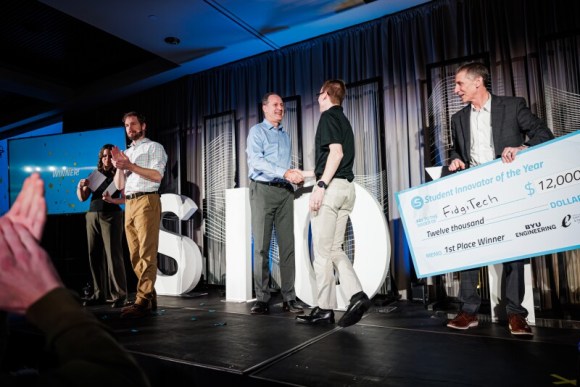
This year’s top prize was awarded to Spencer Stowell for FidgiTech, a customizable sensory device designed for individuals with atypical sensory needs. The idea originated from observing his daughter’s interest in interacting with light switches. Stowell said the product evolved through multiple iterations to accommodate a wider range of sensory preferences by allowing users to interchange components.
The project earned Stowell $12,000 and interest from potential business partners. However, he noted that future development will depend on balancing the venture with his responsibilities as a doctoral student and parent.
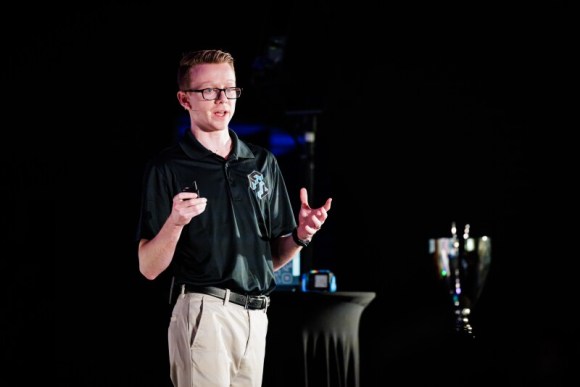
Other participants also focused on accessibility and independence. Joseph Garcia, a senior studying entrepreneurial management, developed MOBI, a height-adjustable kitchen workstation intended for individuals with limited mobility. Inspired by family experiences, Garcia continued the project after initially starting it as a group assignment. He received an honorable mention and $500 at the SIOY Showcase and plans to pursue manufacturing partnerships to bring the product to market.
Another team, Clarion Sense, presented a sensor designed to assist caregivers by detecting indicators of bowel movements and providing alerts for timely care in assisted living environments. The team is currently pursuing a patent.
The competition helped teams see the importance of testing their products in real-world settings. Members of Sori Technologies demonstrated a smart stuffed animal designed to help children with autism transition between tasks. According to team members, interactions with families and children helped validate the product’s effectiveness.
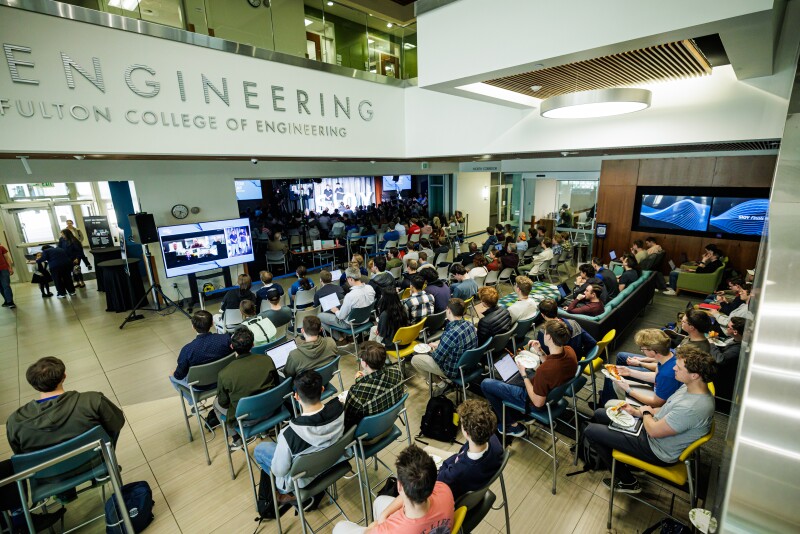
Participants said the competition encouraged collaboration across disciplines and skill sets. EJ Smith, a senior in global supply chain management whose team placed third, noted that the experience helped students develop teamwork and problem-solving skills.
Students presented their ideas to judges, professionals and peers, using critiques to improve their designs. When asked, audience members said they appreciated the practical impact of the projects as a highlight of the competition, noting the focus on addressing real-world problems and the potential for broader community benefit.
The final competition was recorded in its entirety and is available on the BYU Engineering YouTube channel, with results also published on the SIOY website.


 Provo Tribune: Local News for the Provo/Orem Area