The Utah Valley University Spirit Squad performed at the Universal Dance Association’s 2024 College Cheerleading and Dance Team National Championship January 12-14. Held at the ESPN Wide World of Sports Complex at Disney World, their hip-hop team and jazz team placed in the top 3 of their respective categories. UVU was the only school to place in the top 3 in both categories.
Advertisements
The UVU hip-hop finished less than a point behind the University of Delaware, winning second place in Division I hip-hop. The UVU jazz team placed third.
“Our UVU Spirit Squad represented our university with incredible talent, inspiring routines, and tremendous class,” said Kati Marsing, UVU Spirit Squad assistant director in a press release. “Our teams have been working incredibly hard over the past six months to prepare for this level of competition. Their hard work paid off in big ways.”
You can watch the Utah Valley University Jazz performance from the competition below. Video courtesy of Universal Dance Association.
In another win for Utah Valley University, the Orem-based school has received the 2023 NASPA Region V Innovative Program Award, which is “given to a college or university that has developed an outstanding program that has benefited students and enhanced campus life.”
NASPA is an association of student affairs administrators in higher education. Region V consists of seven states: Alaska, Idaho, Montana, Nevada, Oregon, Utah, and Washington. The Canadian provinces of Alberta and British Columbia are also included.
The CARE Hub helps students who are struggling with mental health, safety, housing problems, and food insecurity. The CARE Hub pantry served more than 1,000 students and over 25,000 pounds of food in 2022. By focusing on students’ basic needs first, UVU helps students stay in school, complete their education, and graduate.
It’s located in UVU’s Student Life & Wellness Center on the Orem Campus. Food is distributed from both the office and from a mobile pantry vehicle that drops food off to UVU’s other satellite campuses. Students can receive fresh, packaged, and canned foods, as well as food vouchers for a hot meal at a campus restaurant.
Students can also order food online and have it delivered free of charge due to a partnership between UVU and DoorDash. This is one of many partnerships that make the CARE Hub work. Partnerships with the Community Action Services & Food Bank, the school’s GRIT Garden on the Orem Campus (run by UVU volunteers), and a fruit tree gleaning program (also run by UVU volunteers) keep the pantry stocked for those in need.
You can learn more about this sustainable ecosystem below.
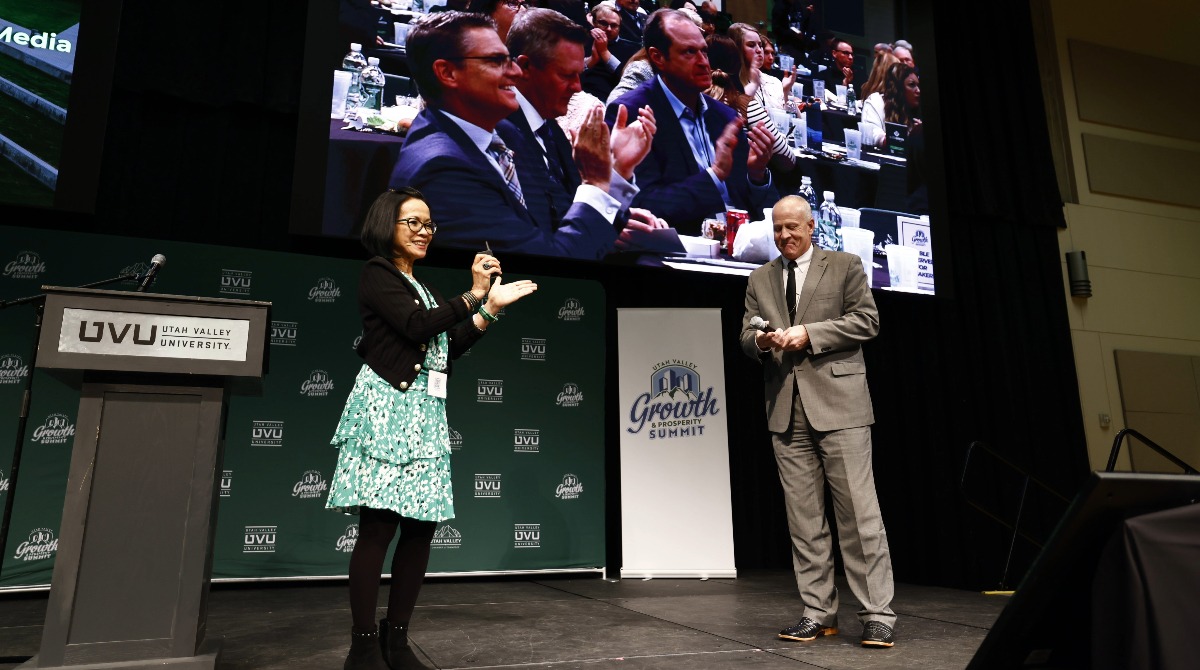
Last Thursday, nearly 500 people gathered at Utah Valley University for the 3rd annual Growth and Prosperity Conference. The conference aims to attract future-thinking people to address Utah’s rapidly increasing population and how it will impact transportation, education, air quality, infrastructure, workforce development, water, business, and economic development.
Hosted in partnership with the Utah Valley Chamber of Commerce, UVU welcomed speakers from key areas, including US Representative and former Provo Mayor John Curtis. Having served Provo for 8 years, Curtis understands the importance of managed growth and the impact it will have. “Thank you for planning the future of my valley for my kids and my grandkids. It is incredibly important work,” he said.
Curtis Blair, president and CEO of the Utah Valley Chamber of Commerce, stressed the importance of planning ahead. “We are dealing with unprecedented growth. It’s not going away. You can view it positively, you can view it negatively, you can view it neutral, but it’s coming,” Blair said. “So, how we manage that growth, the stewardship with which we manage that growth, will really dictate the quality of life for years to come – and I am talking generational impact.”
Laura Hanson, from the Governor’s Office of Planning and Budget, explained that between 2010 and 2020, Utah was the fastest growing state in the nation at 18.4 percent – far outpacing neighboring communities and states. Hanson revealed that historically optimistic Utahns are finally feeling uncertain about the future.
Advertisements
“Every seven years, they do a survey, and one answer has been consistent through that time period,” Hanson said. “‘Do you think growth will make Utah better or Utah worse?’ For the first time in the history of this survey question, in 2021, Utahns said, ‘We are not sure that growth is going to make Utah better.’ That is a big change since the last time that we asked it in 2014.”
Specifically, Utahns are feeling pressures around housing and resources. The surveys also showed that Utahns don’t want to stop growth. They just want to be more intentional about it.
“Education and workforce development is one of our key seven pillars of growth. You cannot have businesses thriving if you do not have a qualified workforce,” said Curtis Blair. “We want our children to stay here. We would love for them to work here, live here, play, and recreate here, and we want to keep our grandchildren close to us.”
Astrid S. Tuminez, President of UVU, stressed the importance of a college education. There’s a median income gap of $30,000 a year between someone who merely graduates from high school and those who receive a college degree.
A public service announcement from UVU President Astrid S. Tuminez.
Tuminez reported that UVU is playing a key role in creating a strong Utah workforce. 77% of UVU graduates stay in Utah and are fueling the economy ten years after graduation. At the conclusion of her keynote speech, Tuminez announced a formal agreement between UVU and Mountainland Technical College (MTECH). The agreement creates a pathway for MTECH graduates in HVAC, electrical, plumbing, and welding to earn an associate degree in business management at UVU – in half the time.
Advertisements
While gathering to discuss these issues at all could be considered a success, what truly matters is how the event’s conversations and data sharing translate to future progress.
“All have come together to say these conversations matter,” Blair said. “We can’t do it in silos. We have got to figure out a way to partner and collaborate and bring this message down to the grassroots, and that’s our blocks and neighborhoods, our City Council, our mayors.”
For more information about the efforts being made by the Utah Valley Chamber of Commerce to plan for statewide growth, click here.
Photos courtesy of NASA, Space Telescope Science Institute
Advertisements
By Mike Romero
In a remarkable achievement, Utah Valley University science professor Joshua Lothringer helped an international team of planetary researchers discover carbon dioxide (CO2) on an exoplanet. It’s located an astonishing 700 light-years away from Earth. Employing NASA’s state-of-the-art James Webb Space Telescope (JWST), this revelation has potential compelling ramifications for our understanding of distant planetary systems.
Advertisement.
How did they pull this off? Through meticulous observation orchestrated by Lothringer and his fellow scientists. By intently focusing the JWST on a remote star and closely tracking its luminosity over time, a dimming pattern emerged. This phenomenon was the telltale sign of an exoplanet, known as Hot Jupiter WASP-39b, casting a shadow as it passed between the star and the telescope.
The light emitted by stars near the exoplanets that orbit them presents a formidable challenge to direct observation. But infrared cameras, similar to the tech behind night vision technology, track variations in the infrared spectrum emanating from these faraway worlds.
Lothringer’s job was to determine if carbon dioxide was present on the planet. Gases absorb light in distinct fashions, manifesting in discernable color combinations. Carbon dioxide, in particular, absorbs a specific wavelength of red infrared light, a phenomenon that escapes the naked eye. Infrared cameras decode this crucial information.
Joshua Lothringer of UVU
Lothringer used sophisticated computer programs and algorithms to document the light spectrum. “It took months to assemble and sort the data,” said Lothringer about finding CO2. “It is a painstaking process because the wavelengths of the light are measured between 3 and 5.5 microns, and the data has to be exact. However, when all was said and done, it was thrilling to know that we have this ability and that we are contributing to a science that will hopefully someday lead us to habitable planets.”
WAS stands for “Wide Angle Search for Planets.” Scientists use number and letter designations coupled with the WASP descriptions to keep track of the exoplanets.
Lothringer worked with more than 100 other scientists, who, in addition to CO2, found water vapor, sodium, and potassium in the atmosphere. These findings establish a foundation pivotal for the exploration of smaller, potentially habitable planets. This is especially relevant, given recent congressional discussions surrounding the possibilities of extraterrestrial life.
Utah’s Hispanic and Latino populations have experienced remarkable growth in recent years, contributing to over 50% of the state’s population growth between 2010 and 2020, according to the 2020 Census. Utah Valley University (UVU) has been proactive in addressing this increase and supporting the success of every student.
Advertisement.
In fall 2022, more than 5,000 UVU students identified as Hispanic or Latino, making up around 12% of the university’s total enrollment. These students have found a welcoming home at UVU, whether it’s in classrooms, on the athletic fields, on stage, or within the community.
To meet the needs of this rapidly rising demographic, UVU conducts community outreach events at high schools and other locations where families feel comfortable. These events provide valuable information in Spanish about resources, scholarships, and financial aid opportunities. UVU senior Hector Cedillo, president of UVU’s Latino Leadership Council, emphasizes that these events aim to communicate to Latino children that their potential extends far beyond stereotypical occupations. Latinos have the capacity, skills, and knowledge to excel in various fields, from becoming CEOs to business owners.
UVU also supports international students on visas and provides assistance to students seeking financial aid, overcoming language barriers, or finding suitable housing. Serving over 5,000 Latino students requires a tailored approach that acknowledges their unique challenges and aspirations.
The Latino Initiative at UVU, established in 2007, has played a pivotal role in empowering Latino and Hispanic students to thrive, earn degrees, and find their place in Utah Valley. Led by Elizabeth Nield, the director of UVU’s Latino Initiative, the program aims to foster inclusion, remove barriers, promote cultural competence, and guide students on their path to success. Nield envisions UVU as a home away from home and a refuge for Latino and Hispanic students, where they can find support and form lasting connections.
Advertisements
UVU goes beyond the Latino Initiative by organizing various programs, activities, and events that help Latino students feel at home, even before they start attending classes. Events such as Bachatafest, an annual dance event and scholarship fundraiser featuring Latin American music, and Celebración Latinoamericana, a celebration of Latino academic achievements in Utah, promote cultural preservation and appreciation. UVU’s commitment to maintaining students’ cultural backgrounds ensures that they feel seen and understood, fostering a sense of belonging and authenticity.
UVU’s efforts in supporting its Latino students have not gone unnoticed. The Hispanic Association of Colleges and Universities (HACU), a nonprofit organization representing over 500 colleges and universities, recognized UVU as an Outstanding Member Institution. This distinction reflects UVU’s dedication to inclusivity and its pioneering initiatives to create equal opportunities for all.
UVU offers three tuition-free summer programs—Latino Scientists of Tomorrow, Engineers & Technologists of Tomorrow, and Business Leaders of Tomorrow—to increase the representation of underrepresented students in STEM fields. These programs have been successful, with 85% of LST Summer Bridge Program participants continuing their education at UVU, and 40% of them majoring in STEM fields.
The impact of UVU’s initiatives has extended beyond its campus. The success of these programs has led to their adoption at six other universities nationwide, and UVU has received $2 million in support through a partnership with Dominion Energy. This will allow UVU’s outreach to continue well into the future.
Artificial intelligence (AI) has the power to bring about both positive advancements and potential chaos and devastation. This was the key message conveyed at the inaugural Silicon Slopes Artificial Intelligence (AI) Summit hosted by Utah Valley University.
Tyler Folkman is the chief technology officer and AI officer for Benlabs, an organization dedicated to exploring the applications of machine learning in transforming creator entertainment. Folkman was among the esteemed AI experts who shared their insights at the conference.
Advertisements
He explained that we are yet to comprehend the full potential of AI. He said there is a belief that it can achieve remarkable feats, but there is also a lot of fear associated with it. As we continue to enhance its capabilities, AI holds boundless possibilities to assist us. While it could potentially cause harm, he believes we now have the ability to control and mitigate those risks.
Utah Attorney General Sean Reyes emphasized the need for the tech industry’s involvement in shaping policies and laws surrounding AI. Reyes urged experts and AI consumers to ensure that the regulations implemented protect humanity without impeding the positive applications of AI.
Reyes also pointed out the existence of current tools and ongoing efforts in this regard. He highlighted proposals such as digital watermarks or inherent ID markers that can help distinguish between authentic and fake content, benefiting consumers, businesses, and legal proceedings.
Rachel Bi, an associate professor in UVU’s Personal Financial Planning Program and head of the Finance and Economics Department at the Woodbury School of Business, has been actively researching business applications of AI, machine learning, blockchain, and cloud computing for several years.
UVU aims to be at the forefront of technological adoption.
Advertisements
Bi explained the distinction between two types of AI. Narrow AI, or weak AI, is designed to tackle specific tasks or solve particular problems. On the other hand, general AI, or strong AI, aims to replicate the broad cognitive abilities of human intelligence, enabling it to comprehend, learn, and perform any intellectual task humans can.
“The majority of the AI that we engage with on a daily basis are narrow AI, including the famous ChatGPT,” Bi said. “It is worth mentioning that developing a general AI could be very challenging and is not yet realized, although people are working on it. But the attainment of self-awareness of general AI will raise profound philosophical, ethical, and technical questions that are hotly debated.”
Bi further highlighted AI’s impact on the financial sector, citing the use of robo-advisors to manage stock portfolios and AI algorithms to determine individual credit scores by analyzing extensive personal data, such as debt, revenue, and spending habits.
Other speakers at the summit included Dave Wright, CEO of e-commerce acceleration platform Pattern, and Christina Baum, vice president of Digital Transformation and chief information officer at UVU.
“I love that UVU is being recognized as leading out,” Baum said. “I love our partnership with Silicon Slopes. I think there is so much that we can leverage artificial intelligence for in the education space, and I think instead of being scared of where that might lead us educationally, we need to embrace that and find ways that we can really catapult our education forward and help remove barriers for students.”
Advertisements
UVU is well-positioned to adapt to AI-powered learning. George Rudolph, chair of UVU’s computer science department, emphasized that hosting the AI Summit conference strengthens UVU’s connection to local industries and reinforces its commitment to cutting-edge workforce development.
The one-day conference also marked the official launch of the Silicon Slopes AI chapter, further fostering collaboration and progress in the field of artificial intelligence.
For another example of how UVU is embracing cutting edge technologies, check out their work with VR and drones below.
Within the next year, people around the world will have two opportunities to witness a solar eclipse. This is a rare experience which won’t happen for another two decades. That’s why Eclipse Glasses is releasing a special collection of shades designed to help you view this event safely.
Advertisements
In August 2017, millions of people were excited about the eclipse, but many were unable to fully experience it due to a shortage of appropriate viewing glasses. Roger Sarkis, an earth science educator at Utah Valley University, recognized this problem and took action. He repurposed thousands of locally found eclipse glasses and sent them to schools in other countries, allowing students to view future eclipses. Now, Sarkis has expanded his initiative to make eclipse viewing accessible to everyone in preparation for the upcoming October and April events.
“Most solar eclipses only happen just a few times in our lifetime and if you’re of the older generation, this might be your last, so why shouldn’t they be able to fully experience it?” said Sarkis. “With so many counterfeit and overpriced glasses on the market today, I wanted to find a way for kids and adults alike to safely view the incredible partial phases of these eclipses and create a memory that will always stick with them.”
Advertisements
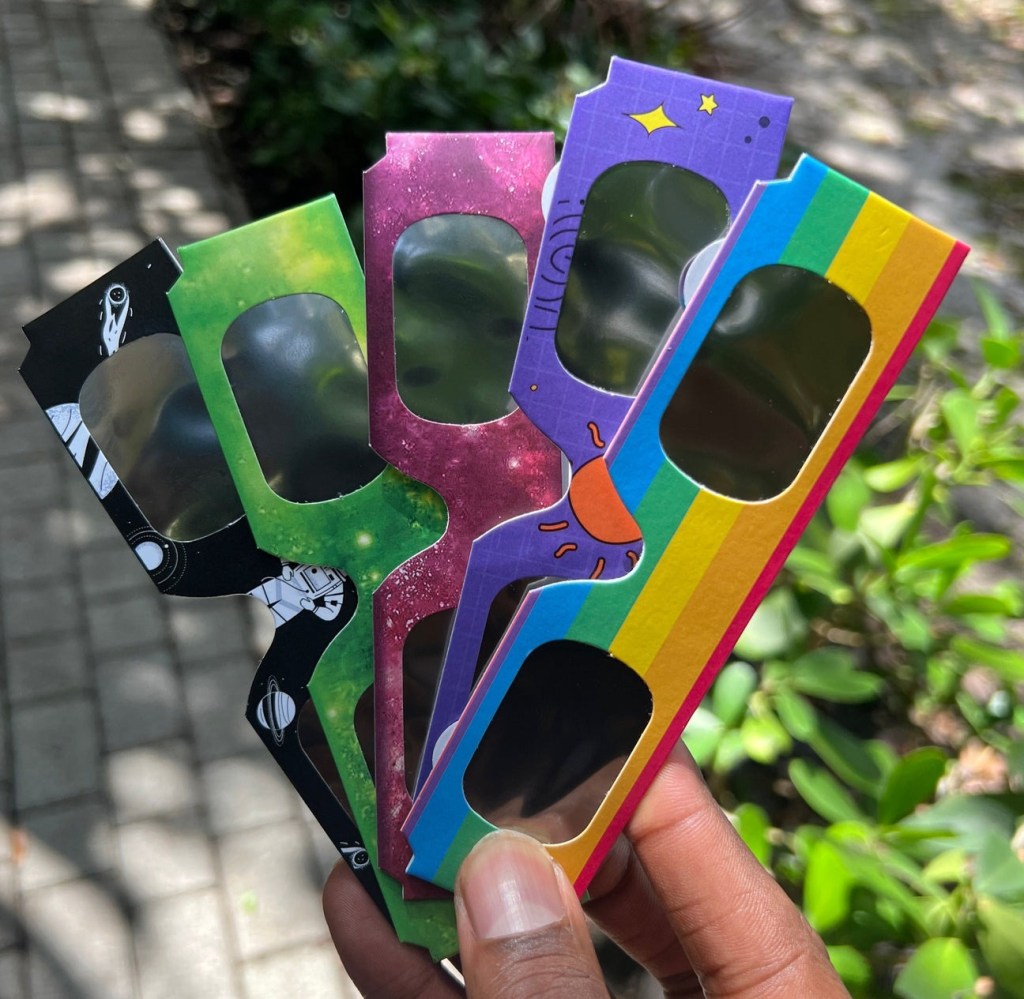
To fulfill this vision, Eclipse Glasses offers a pack of five glasses with a variety of designs, catering to different face shapes. These glasses are professionally printed, designed, and made from materials sourced in the United States. Suitable for all ages, Eclipse Glasses are now available for pre-order until June 30, priced at $6.99 per pack. International shipping is available, and customers can enjoy a discount of up to 30% for larger quantities.
Shipping will commence in late August, with orders processed within one to two days. Sarkis also seeks partnerships with educational nonprofit organizations and corporations, offering special wholesale pricing. To learn more about the product or place an order, please visit eclipse23.com.
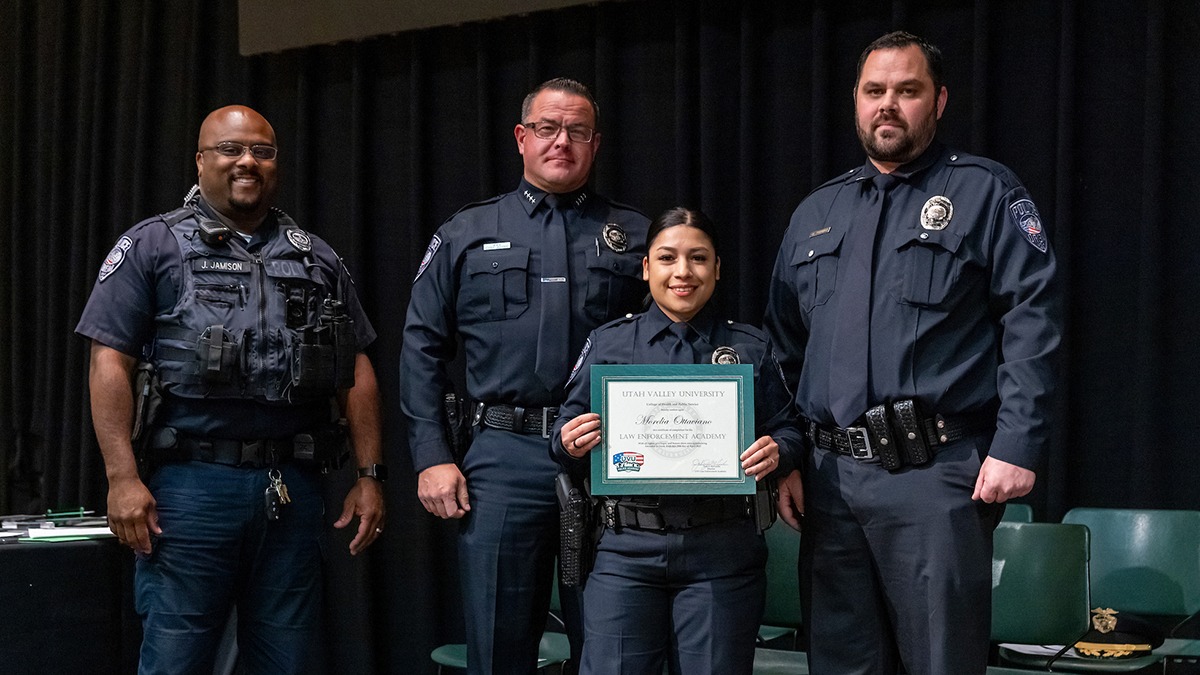
In a significant milestone for gender diversity in law enforcement, the Utah Valley University Police Academy saw a record number of female cadets graduate this year. Out of the total graduating cohort of 28 cadets, six were women, representing 21% of the class. This figure is double the number of female graduates in any previous year since the academy’s establishment in 1996.
Advertisements
The statistics from Utah Valley University (UVU) are particularly noteworthy considering the national average of sworn women police officers stands at 13%, with only a 3% increase since the 1970s. Leaders in law enforcement across the country are increasingly recognizing the advantages of recruiting, training, and promoting more female officers.
John McCombs, director of UVU’s Police Academy, highlights the significant impact female officers can have as communicators, particularly in addressing violence against women and sex crimes. Their empathetic approach and ability to de-escalate intense situations contribute to their effectiveness.
Advertisements
The concept of empathy plays a crucial role in police de-escalation training. McCombs explains that finding a way to relate to individuals and establishing effective communication is the starting point for the entire de-escalation process.
Mellanie Seamons, a UVU Police Academy graduate who now serves as a Provo police officer, echoes this sentiment. She emphasizes that women often possess nurturing qualities and are more inclined to engage in conversations with people.
A 2014 study from the University of Zurich supports the notion that female victims of sexual assault or violence feel more comfortable reporting their experiences to female police officers.
Seamons further elaborates on the significance of female officers in cases involving victims of sexual assault, stating, “A lot of people will get the information they need and pass it on to where it needs to go, but I try to make sure the victims know, ‘you aren’t alone in this, and none of this is your fault, you did not do anything to deserve this.'”
Both McCombs and Seamons note that children also tend to feel more drawn to women in law enforcement. Seamons, who has worked on sex crime investigations in collaboration with the Utah Department of Child and Family Services, explains that 90% of children prefer speaking to either a female social worker or a female police officer.
Advertisements
Research indicates that female officers contribute to better police-community relations, are less likely to use excessive force, face fewer complaints and lawsuits, and are perceived as more honest and compassionate.
The UVU Police Academy, a satellite of the Utah Peace Officer Standards and Training (POST), is committed to providing professional law enforcement training through state-of-the-art learning models, advanced technology, and best practices in public safety. The academy’s experienced staff, including local police officers, attorneys, and specialists, ensure that cadets receive comprehensive training in areas such as criminal law, defensive tactics, firearms, investigation, terrorism, and scenario-based exercises. This rigorous preparation equips graduates to serve as police officers, investigators, or parole/probation officers in any police department in the state of Utah.
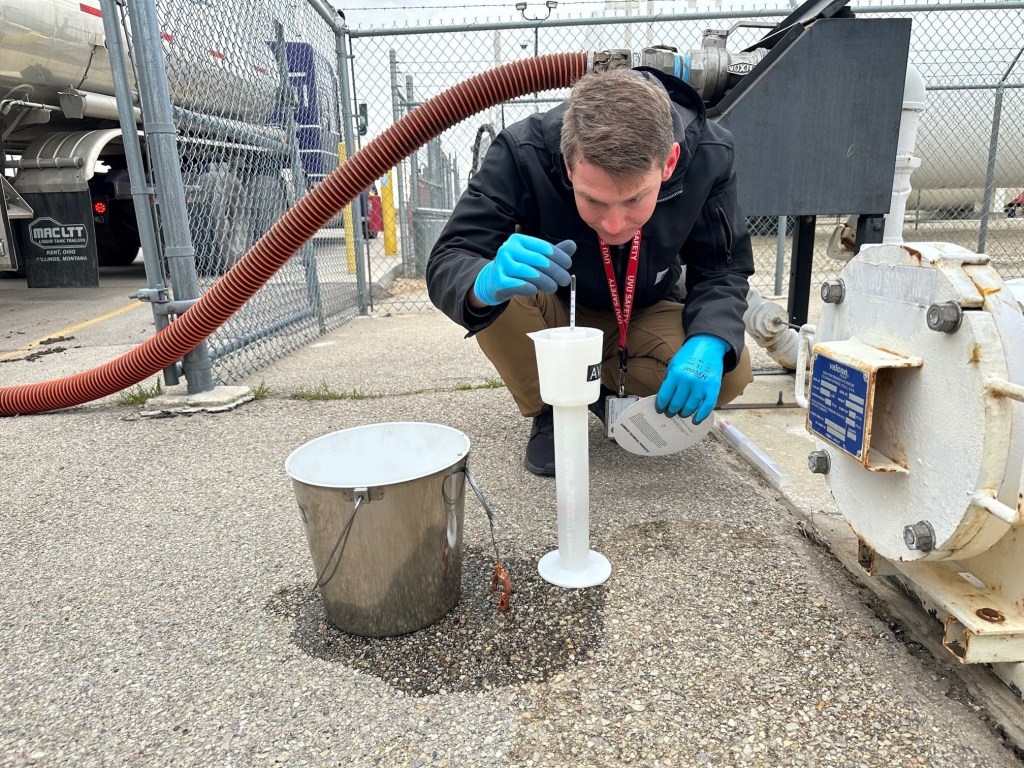
Utah Valley University’s (UVU) School of Aviation Sciences is set to become the first collegiate flight training program in the country to transition its entire training fleet to fully unleaded aviation fuel (UL94).
Advertisements
Operating since 1988, UVU’s School of Aviation Sciences has trained and educated numerous FAA certified pilots and aviation industry professionals, boasting a graduate job placement rate exceeding 92%.
In collaboration with Swift Fuels, a fuel research and development company based in Indiana, UVU recently received its initial shipment of UL94, marking a significant milestone in the adoption of unleaded fuel for piston-engine aircraft. While leaded fuel has traditionally been used in these aircraft due to the need for higher-octane fuel, Swift Fuels’ UL94 is a lead-free alternative that has gained approval for use in approximately 70% of existing piston aircraft. Although still in the early stages of adoption, UVU’s fleet of 25 aircraft, comprised of Diamond DA40s and Piper Seminoles, is fully compatible with this new fuel and ready to reap its benefits.
Nick Marsh, supervisor of aviation operations at UVU.
Advertisements
The switch to UL94 brings several advantages to the aviation program. Engines running on this fuel will experience smoother operations and fewer mechanical issues, such as fouled spark plugs. Moreover, mandatory aircraft inspections will require less time and manpower, leading to reduced maintenance costs for UVU. John James, the director of aviation maintenance at UVU, highlighted how the cleaner-burning nature of UL94 benefits engine components, ultimately resulting in enhanced efficiency and cost-effectiveness in student training.
Beyond the cost advantages, UL94 serves as a more environmentally friendly alternative. It significantly reduces lead exhaust emissions, aligning with UVU’s commitment to sustainability. Nick Marsh, the supervisor of aviation operations at UVU, expressed his enthusiasm for the transition, emphasizing how the use of unleaded fuel would create safer working conditions for fuel-handling employees by eliminating their exposure to leaded fuel.
Curt Castagna, President and CEO of the National Air Transportation Association (NATA), commended UVU’s decision to adopt UL94 and recognized the university’s leadership in promoting community partnership and environmental progress. As an academic institution and early adopter of UL94, UVU has the opportunity to educate the industry on the use of environmentally friendly aviation fuels while training future pilots.
Advertisements
NATA, the leading national trade association representing general aviation service companies, is part of the industry’s Eliminate Aviation Gasoline Lead Emissions (EAGLE) initiative, which aims to transition piston-engine aircraft to lead-free aviation fuels by the end of 2030. Castagna’s congratulations further underline the significance of UVU’s move toward UL94.
UVU’s transition to unleaded fuel aligns with its broader sustainability efforts in recent years. These initiatives include reducing campus water usage by 40 million gallons annually, donating excess food from UVU’s GRIT Garden to the CARE Hub campus food pantry, partnering with UTA to offer free public transportation, and constructing a pedestrian bridge across I-15.
Utah Valley University (UVU) has been honored with a prestigious Top 10 Military Friendly School designation by Military Friendly, an esteemed organization that assesses a school’s dedication, initiatives, and accomplishments in creating sustainable and valuable opportunities for the military community.
Advertisements
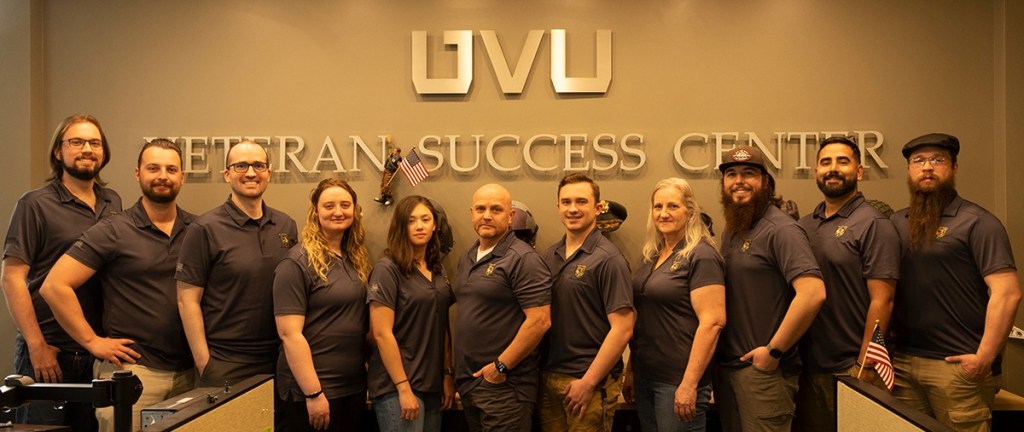
“This recognition reflects many hours invested by our team and other UVU partners to create an exceptional experience for our military-connected students,” says Kayle Smith, interim director of UVU Veteran Success Center.
Employing a comprehensive methodology that incorporates public data sources, proprietary surveys, and firsthand input from veterans, Military Friendly evaluates institutions across multiple categories, including academic policies, admissions procedures, cultural commitment, financial aid, graduation and career support, as well as military student assistance and retention.
UVU, in line with this methodology, has achieved a remarkable Gold rating, securing an impressive fifth-place ranking among Large Public universities nationwide.
Advertisements
The university’s Veteran Success Center plays a pivotal role in ensuring the smooth transition and success of student veterans, service members, and their dependents throughout their educational journey, from enrollment to graduation. Since its establishment in 2015, the center has provided invaluable guidance to approximately 800 military veteran students and 2,400 military dependents, enabling them to maximize their military benefits in funding their education at UVU.
To learn more about the UVU Veteran Success Center, visit uvu.edu/veterans.













 Provo Tribune: Local News for the Provo/Orem Area