
By Mike Romero
Scientists from Brigham Young University (BYU) and Washington State University (WSU) have developed new varieties of quinoa that can thrive in challenging growing conditions, particularly in Rwanda and other African countries.
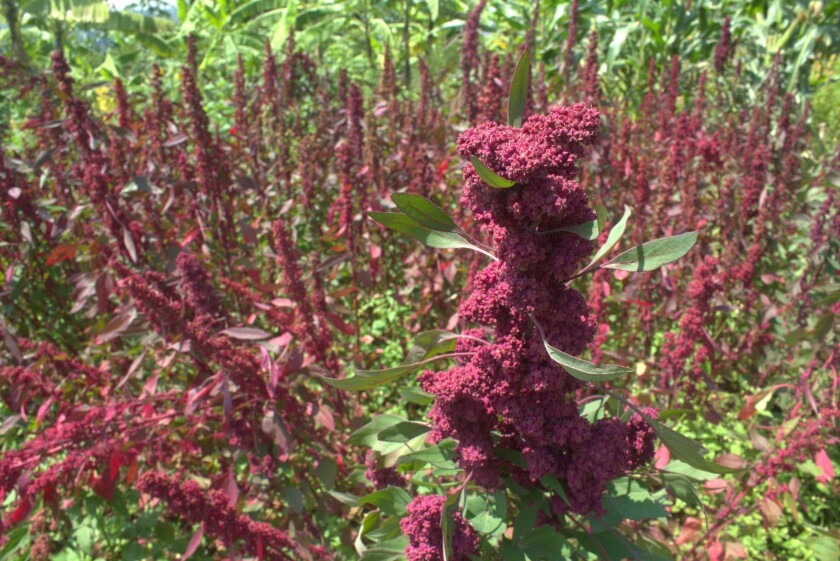
The recently released varieties, including “Cougar Quinoa” (named after the universities’ mascots), offer tall, colorful plants that yield abundant seeds and edible leaves rich in B vitamins and fiber. Cougar Quinoa stands out with its striking purple and green leaves, while the other two varieties, named Shisha and Gikungu in the Kinyarwanda language, symbolize “flourishing” and “economy,” respectively.
Quinoa is a highly nutritious crop that holds immense potential due to its ability to grow in poor soil conditions. However, to fully realize this potential, it is crucial to develop quinoa varieties suited to different environments, according to BYU professor Jeff Maughan.
A versatile crop that benefits small farmers in Rwanda, quinoa can be consumed alone, mixed with rice, ground into flour for baking, or used in beverages. Quinoa leaves can be harvested and eaten between harvests, the stalks can serve as livestock feed, and the seeds can be stored without the need for chemical treatments.
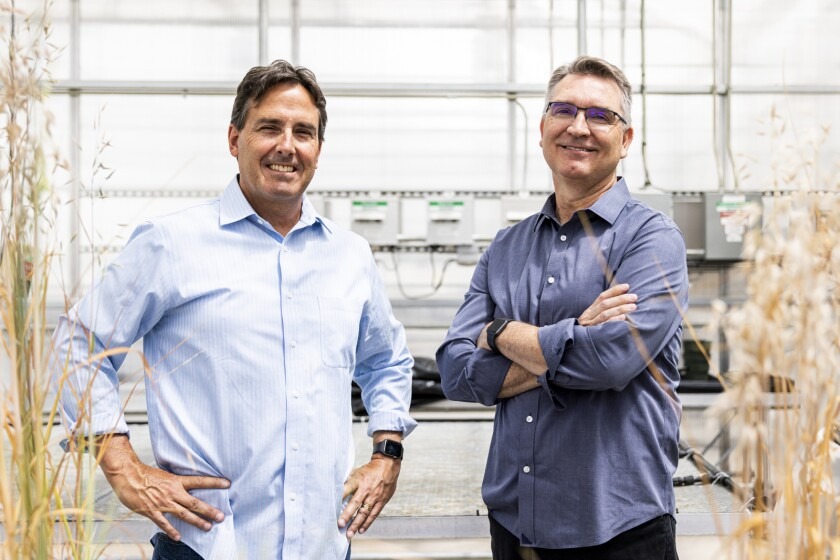
For the past twenty years, Maughan and his colleague Rick Jellen, professors of plant and wildlife sciences at BYU, have been actively researching ways to introduce new plants, including quinoa, into the global food supply. The three newly released quinoa varieties were bred back in 2004 and were among the approximately 1,000 breeding lines provided to WSU by the BYU researchers in 2012.
Kevin Murphy, director of WSU’s Sustainable Seed Systems Lab, expressed gratitude for the collaboration, stating that the BYU researchers’ generosity kickstarted their quinoa breeding program and significantly expanded their selection of quinoa lines. The selected strains were tested for yield, disease resistance, maturation time, and other desirable traits at WSU’s Tukey Organic Farm and later in Rwanda by Cedric Habiyaremye, a WSU graduate and current research associate.
The new quinoa varieties have shown excellent performance in Rwanda’s diverse landscapes and are particularly well-suited for equatorial regions. The release of these varieties for Rwanda marks a significant milestone in the shared goal of improving global food security.
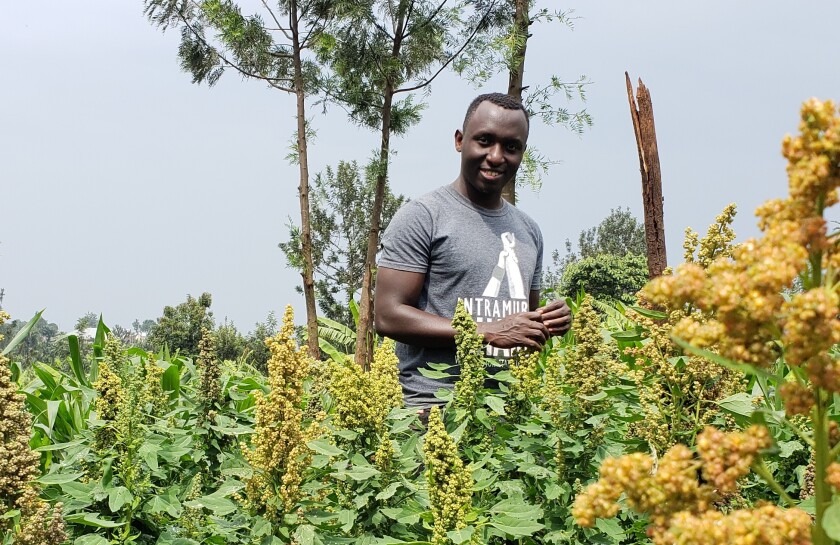
Cedric Habiyaremye, who experienced the 1997 famine in Rwanda as a child, has been personally involved in testing and promoting quinoa in the country. Habiyaremye introduced quinoa to Rwanda in 2015 and, with his mother’s help, initiated a micro-extension program that now involves over 700 Rwandan farmers.
Habiyaremye’s vision is to combat hunger and malnutrition by making quinoa accessible to all. He is collaborating with Rwanda’s Ministry of Agriculture and Animal Resources, as well as farmers and research institutions in Kenya, Zimbabwe, Gambia, Malawi, Lesotho, and South Africa to expand quinoa’s acceptance and impact.
BYU researchers, including Maughan, Jellen, and David Jarvis, continue to collaborate with quinoa breeders across Sub-Saharan and northern Africa, Latin America, and Asia. Their ongoing efforts align with the universities’ mission to address real-world problems such as food insecurity in developing nations, providing hope for a brighter future through improved nutrition and agricultural practices.
Learn more about how BYU is feeding the world in the documentary below.
 Provo Tribune: Local News for the Provo/Orem Area
One reply on “BYU and WSU Introduce New Quinoa Varieties for Global Food Security”
Some say that this is manna from the bible. It’s in the exodus. When I moved to Utah my roomie said she dreamed of this in the future being a trend but it’s not a trend because it has been around since forever
LikeLike